
Gluten-free products are essential for people who suffer from celiac disease.
Gluten is a protein that is found in wheat, barley, rye, and various other food products. This list includes anything made from flour. Foods such as bread, crackers, pastries, and pasta, all contain gluten. The problem with gluten is that many people are finding out they are sensitive to gluten. Many suffer from celiac disease, an autoimmune disease, in which if they consume gluten they will have an inflammatory reaction in their digestive tract. And so a gluten-free diet is essential. Many will purchase products from the grocery store that are labeled “gluten-free,” in hopes these products contain no gluten. What they may not know is cross contamination with gluten products may have occurred and there is a possibility that there is a quantifiable amount of gluten in the gluten-free product.
The FDA is looking to regulate the gluten-free industry by setting a standard in order for a product to be labeled gluten-free.
A recurring issue with food labels claiming to be “gluten-free” is that some are showing positive for gluten when tested in the lab. The FDA is currently working on testing products from grocery stores labeled gluten-free. They are working on setting a standard for companies to be able to label their products gluten-free. Marion Pereira, a FDA Biologist Researcher says, “currently there is no FDA regulation” on gluten-free products. She says the primary goal of the FDA is to protect the consumers, and in order to do so, the agency is trying to figure out a possible way to regulate the gluten-free industry.
Mislabeling gluten-free can be dangerous to those who are sensitive to gluten.
Without strict regulation, there only exists a recommendation. It is up to the companies to produce products that are gluten-free to have quality assurance and make sure the products are gluten free. Many do follow the recommendation, but the problem is many companies do not have protocols in place that would prevent cross contamination of the different products that they produce in which some contain gluten. Products then, that are not suppose to contain gluten end up with a significant amount of gluten that can cause an inflammatory response from people who are sensitive to gluten or have celiac disease. Pereira says, consumers who are gluten sensitive should have the ability to look at the label and decide for themselves if they are able to consume this product because their health is at risk.
Gluten-free does not translate to healthier, but rather can be unhealthy for people who aren't gluten sensitive.
Food companies will take advantage of the fact that there is the misconception out there that gluten-free means healthier.
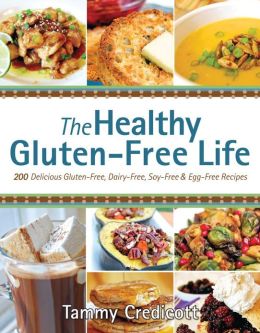
New FDA regulation on the labeling of gluten-free is essential to protect consumers.
The gluten-free industry is fairly new and what consumers know about the industry is very minimal. This is an important consumer concern because companies can mislead people. Regulating the gluten-free industry is an important matter for those who suffer from celiac disease or who are gluten sensitive, but overall education on the benefits of a gluten-free diet is also important. A smart consumer shouldn’t always believe what the food companies are putting out there or what is on their labels.

